

Cannabis Bonding is a beautiful process in which we use to create new ways to consume cannabis. Fats and alcohol are the best ways to do this. Each one has a unique reaction to THC, Terpenes and the CBD inside the plant. Bonding and stripping the important chemicals to create distillate and edibles. The more you learn about this subject, the better you will be at creating your own home creations.
Why Water Doesn’t Work
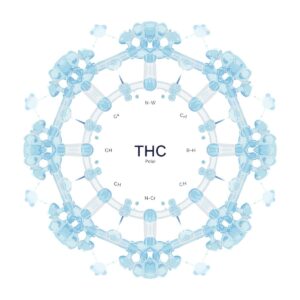
Water and cannabinoids don’t mix. Literally. THC and CBD are non-polar (oil-like) molecules. Water is polar. Opposites do not attract in chemistry. This is why you cannot make cannabis tea with just hot water, you need a bonding agent for the chemicals to stick to.
To extract anything meaningful from cannabis, you need something that cannabinoids want to stick to, like fat.
Why Cannabinoids Love Fat
Cannabinoids have a molecular structure that’s oily by nature. This makes them lipophilic — they dissolve extremely well in fats and oils. When cannabis is heated (activation/ decarboxylation), THC-A converts into THC, and that active THC is ready to pair up with fatty molecules.
Top fats that bind cannabinoids most effectively:
Coconut oil – high in saturated fats, exceptional absorption
Butter / ghee – old-school classic for a reason
Olive oil – healthier option, binds cannabinoids well
MCT oil – super efficient, fast absorption rate
Once bonded, cannabinoids stay stable and can be infused into anything from baked goods to capsules. Fats essentially act as carriers, helping THC pass through the digestive system and into the bloodstream. The more fat present, the better the cannabinoid extraction, and the stronger, more consistent the edible.
How Alcohol Extracts Cannabinoids
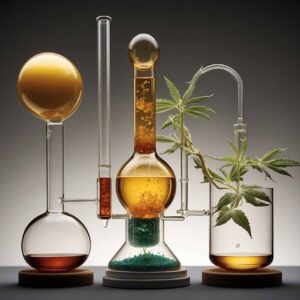
Alcohol works differently, but just as effectively. Ethanol (drinking alcohol) is a powerful solvent, capable of dissolving both water-loving and fat-loving molecules. This makes it a superstar for extracting:
THC
CBD
Terpenes
Flavonoids
Minor cannabinoids
High-proof alcohol pulls these compounds from the plant material, creating tinctures or concentrated oils. Alcohol extractions are used for both medicinal tinctures and in large-scale distillate production.
The Extraction Process (Step-by-Step)
Step 1: Cryo-Chill the Ethanol (Optional But Common)
Many labs use very cold ethanol (–20°C to –80°C) to minimize how much chlorophyll and wax gets pulled out.
Cold ethanol = cleaner extract from the start.
Step 2: Soak/Wash the Plant Material
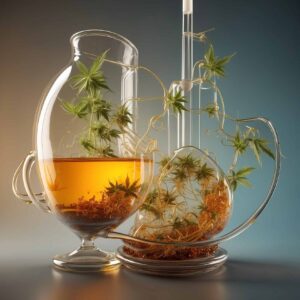
Ground cannabis is submerged in ethanol.
This is where the magic happens: cannabinoids and terpenes dissolve into the alcohol.
Two styles:
Quick wash → preserves more terpenes, less plant gunk.
Long soak → pulls absolutely everything (good and bad).
Step 3: Separate Liquid From Plant Material
The mixture gets filtered or spun in a centrifuge.
You now have ethanol + cannabinoids, sometimes called “tincture” or “crude solution.”
Step 4: Evaporate the Ethanol
Using heat and/or vacuum pressure, the ethanol is removed.
This step is crucial: ethanol needs to leave cleanly, without burning the cannabinoids.
Common equipment:
Rotovap (rotary evaporator)
Vacuum oven
Falling film evaporator
After evaporation, you’re left with crude cannabis oil — dark, sticky, and full of cannabinoids.
Step 5: Winterization
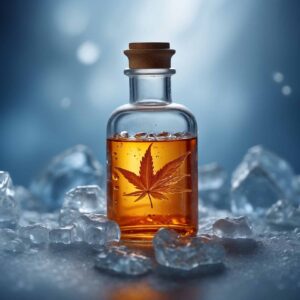
Crude oil is mixed with ethanol again and frozen.
This step forces plant waxes and fats to solidify.
Then:
Freeze
Filter waxes out
Evaporate ethanol again
Now you have a cleaner, more potent oil.
Step 6: Post-Processing (Depending on Desired Final Product)
From here, crude oil can be refined into different products:
Distillate → super clean, 90%+ THC
Full-spectrum tinctures → ethanol removed partially, some terpenes remain
RSO-style oils → darker, heavier, medicinal-style oil
How to Make Cannabis-Infused Alcohol (Safe Method)
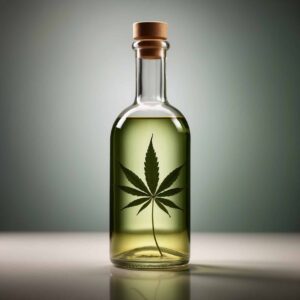
You’ll Need
High-proof drinking alcohol (Vodka, rum, gin, or 95% food-grade ethanol if available)
Decarboxylated cannabis
A glass jar with a lid
A strainer / coffee filter
A dark bottle for storage
Step 1: Decarb the Cannabis
This is essential. Raw cannabis won’t give you active THC.
Preheat oven to 110–120°C
Break cannabis into small pieces
Bake 30–40 minutes, gently stirring halfway
This converts THC-A → THC.
Step 2: Combine With Alcohol
Put the decarbed cannabis into your glass jar.
Add enough alcohol to fully cover it.
(For a drinkable infusion, most people use 250–750ml of alcohol depending on strength.)
Seal the jar.
Step 3: Steep
Two options:
Fast Method (24 hours)
Keep jar in a cool, dark place
Shake lightly a few times
Produces a lighter, more herbal spirit.
Slow Method (1–4 weeks)
Far stronger
Darker
More cannabinoids extracted
Shake every few days.
Step 4: Strain
Use: A fine mesh strainer or a coffee filter (for clearer results)
You now have cannabis alcohol, a green or golden infusion.
Step 5: Store
Bottle it in a dark glass bottle. Shelf-stable for months.
HOW DO YOU DRINK IT?
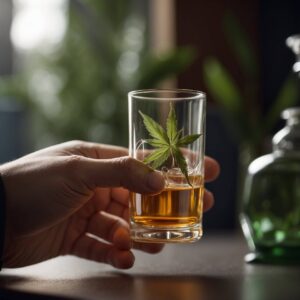
Option 1: As a tincture
2–5 drops under the tongue or in a drink.
Hits fast. VERY strong.
Option 2: As a mixed drink
Small amounts added to: Sodas, cocktails, juices, tonics
Important Safety Notes
Cannabis + alcohol potentiates each other.
This combo hits: Stronger, Deeper, Longer
Start tiny.
Like: half a teaspoon.
Not a double-shot like you’re celebrating a Lotto win.
Never cook alcohol on heat (flammable).
Never distill alcohol at home (illegal & dangerous).
Only infuse store-bought spirits.
Conclusion
Cannabis bonding isn’t just chemistry, it’s the foundation of every edible, tincture, distillate and home infusion you’ll ever make. Once you understand how cannabinoids cling to fats and alcohol, the whole plant opens up in new ways. Fats give you long-lasting, body-friendly effects. Alcohol gives you precision, potency and fast extraction. Both offer creative routes to crafting your own cannabis experiences at home.