

Today we are going to be listing strains from the most popular and abundant in cannabis flower to the least prominent terpenes found in cannabis flower. Discussing health benefits, taste, rarity and where else they can be found. Know your flower strains by knowing your terpenes.
1. Myrcene
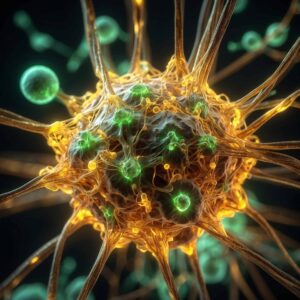
One of the biggest ball players in the game and found mostly in your home-grown cannabis. Strains listed below are often prescribed for those suffering from sleep disorders or general pain. When you get a spicy flower bud, you can say thank you to this terpene.
Health Benefits: Sedative, muscle relaxant, pain relief.
Food Sources: Mango, hops, thyme.
Taste & Aroma: Earthy, musky, herbal.
Strain Examples: Granddaddy Purple, Blue Dream, OG Kush.
Rarity & %: Most common terpene in cannabis. Often 20–50% of total terpene content in myrcene-dominant strains.
2. Limonene

My personal favourite, this terpene inhibits all the right characteristics. Strains with high levels of this terpene are prescribed for those suffering with anxiety in low dosages. Lighting up the nose and palate with citrus bliss, often used in THC vapes to increase flavour.
Health Benefits: Anti-anxiety, antifungal, digestive aid.
Food Sources: Citrus fruits.
Taste & Aroma: Citrus, zesty, sweet.
Strain Examples: Super Lemon Haze, Wedding Cake, Durban Poison.
Rarity & %: Fairly common, usually 10–20% of total terpene profile, occasionally dominant.
3. Pinene (α & β)

Looking at those health benefits its easy to believe this terpene is used in many other products. Pharmaceuticals like cough syrup and herbal asthma product as well as essential oils and aroma therapy products. Highly effective when you use THC|CBD drops.
Health Benefits: Bronchodilator, anti-inflammatory, memory aid.
Food Sources: Pine, rosemary, basil.
Taste & Aroma: Pine, woody, herbal.
Strain Examples: Jack Herer, Strawberry Cough, Blue Dream.
Rarity & %: Common but rarely dominant. Typically 5–15%, up to ~20% in pinene-rich strains.
4. Caryophyllene (β-Caryophyllene)

This terpene might be common, yet it has an uncommon characteristic being that it binds to the CB2 receptor, which is more in charge of the immune system and anti-inflammatory properties. Making it very effective to a lot of treatments (when used in drop format).
Health Benefits: Anti-inflammatory, pain relief, CB2 receptor binding.
Food Sources: Black pepper, cloves.
Taste & Aroma: Spicy, peppery, woody.
Strain Examples: Girl Scout Cookies (GSC), Bubba Kush, Sour Diesel.
Rarity & %: Very common; typically 10–25%, can be dominant in some hybrids.
5. Humulene

Digging deeper into the less common terpenes we have Humulene. Also in charge of important health benefits, in particular an un-usual “appetite suppressant” effect. The tale that cannabis gives you the munchies is not always true. In many cases it is the opposite and not only because of this terpene.
Health Benefits: Anti-inflammatory, appetite suppressant.
Food Sources: Hops, basil.
Taste & Aroma: Earthy, woody, hoppy.
Strain Examples: Headband, White Widow, Girl Scout Cookies.
Rarity & %: Moderately common; usually 1–10%, rarely dominant.
6. Linalool

We speak a lot about this terpene in our other blogs as it is one of the leading anti-anxiety cannabis remedies. Responsible for giving cannabis a better name in earlier years. Extremely effective with sleep as well. also commonly found in detergents, fabric softeners, cleaning sprays and lavender scented products like candles.
Health Benefits: Calming, sedative, anti-anxiety.
Food Sources: Lavender, coriander.
Taste & Aroma: Floral, sweet, lavender-like.
Strain Examples: Amnesia Haze, LA Confidential, Zkittlez.
Rarity & %: Less common, usually <5%. Rarely dominant, but noticeable.
7. Terpinolene

Really good for cosmetic products as I’m sure is easy to see from the health benefits below. There is also a citrusy note that belongs to this terpene, making it wonderful for deoderants and airfresheners. This terpene even has early research to cancer curing properties currently.
Health Benefits: Antioxidant, sedative, antibacterial.
Food Sources: Apples, nutmeg.
Taste & Aroma: Floral, herbal, piney.
Strain Examples: Jack Herer, Ghost Train Haze, Dutch Treat.
Rarity & %: Fairly rare as a dominant terpene. Usually <5%, occasionally up to 15% in terpinolene-dominant strains.
8. Ocimene

From the aromas and benefits of this terpene we have currently seen it as most useful in cleaning products. Whether it be for the household or cleaning agents. Ocimene is safe to use and leaves a pleasing smell wherever it has been.
Health Benefits: Antiviral, decongestant, anti-inflammatory.
Food Sources: Basil, mint, orchids.
Taste & Aroma: Sweet, fruity, herbal.
Strain Examples: Green Crack, Clementine, Strawberry Cough.
Rarity & %: Rare, generally 1–5%. Sometimes peaks higher in sativa strains.
9. Nerolidol

A fascinating terpene to say the least also, not the easiest to pronounce. A more functional terpene than most and mostly used for fragrances and medicines. You’ll become very popular using this inside essential oils for humidifiers or sauna visits.
Health Benefits: Sedative, antifungal, antimicrobial.
Food Sources: Jasmine, lemongrass.
Taste & Aroma: Woody, floral, fresh bark.
Strain Examples: Skywalker OG, Sour Diesel, Island Sweet Skunk.
Rarity & %: Rare, usually <1–2%.
10. Camphene

Camphene is not the most popular kid on the block, although there are some benefits to this black sheep. Camphene shows up in lots of natural remedies, fragrances, and industrial products because of its sharp, herbal-pine scent and medicinal qualities. Us South Africans love our pine products.
Health Benefits: Cardiovascular support, antioxidant.
Food Sources: Fir needles, nutmeg.
Taste & Aroma: Earthy, musky, woody.
Strain Examples: Ghost OG, ACDC, Mendocino Purps.
Rarity & %: Rare, usually <1%.
11. Geraniol

This terpene is what gives roses and geraniums that sweet, floral scent. Beyond just smelling addictive, it’s also valued in cosmetics, food, and even medical research. Being neuroprotective it could have a very bright future ahead of it in therapies and hospitals.
Health Benefits: Antioxidant, neuroprotective, antibacterial.
Food Sources: Roses, peaches, lemongrass.
Taste & Aroma: Sweet, floral, fruity.
Strain Examples: Master Kush, Afghani, Amnesia Haze.
Rarity & %: Rare, typically <1–2%.
12. Eucalyptol (Cineole)
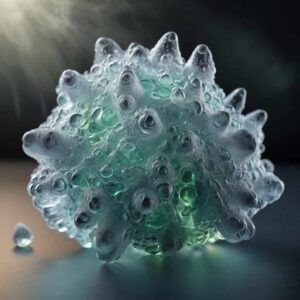
Now this is an interesting one, something we all have used multiple times in our lives and on our bodies. Used in candles or to cure colds, coughs and flu in South Africa, we swear by it. This terpene is used in vicks vapor rub and grown in eucolyptus plants, giving that hard minty hit. Reminding us of winter as a child.
Health Benefits: Anti-inflammatory, bronchodilator, antimicrobial.
Food Sources: Eucalyptus, bay leaves.
Taste & Aroma: Minty, cooling, refreshing.
Strain Examples: Super Silver Haze, Headband, Girl Scout Cookies.
Rarity & %: Rare, usually <1–2%.
13. Borneol

Borneol is one of the “old school” terpenes with a long history in traditional medicine, especially in Asia. It’s got a camphor-like, minty, herbal aroma and is still used today in natural remedies, perfumes, and even insect repellents. Very useful in a candle during summer season.
Health Benefits: Pain relief, circulation booster, anti-inflammatory.
Food Sources: Rosemary, camphor.
Taste & Aroma: Camphor-like, herbal.
Strain Examples: Golden Haze, K13 Haze.
Rarity & %: Very rare, usually trace <1%.
14. Valencene

This terpene is much more popular in household items, drinks and processed food for flavouring. Very well known for creating the unique taste of Valencia oranges and their sweet, citrusy, woody aroma. Great for organic cleaning products.
Health Benefits: Anti-inflammatory, insect repellent, antioxidant.
Food Sources: Oranges, tangerines.
Taste & Aroma: Sweet, citrusy, woody.
Strain Examples: Tangie, Agent Orange, Clementine.
Rarity & %: Rare, usually <1–2%.
15. Phytol

Rarely used directly, but it occurs naturally in green tea, leafy greens, and chlorophyll-rich plants. you don’t hear about it as much as limonene or myrcene, but it’s important both in nature and in product formulations.
Health Benefits: Sedative, antioxidant, anti-inflammatory.
Food Sources: Green tea, leafy greens.
Taste & Aroma: Mild grassy, floral.
Strain Examples: Cheese strains, Sour Diesel (in small amounts).
Rarity & %: Very rare, generally trace <1%.
Conclusion
So, as we have seen in this post that terpenes play a vital role in our everyday lives. They are in the foods we eat and the drinks we love most. From the shampoo we use in our hair to even the detergents we use to clean our houses. They play a huge part in the medicine we use today and without them, life would be incredibly dull and almost un-livable. So, lets appreciate the little things for what they are.
As for cannabis, when it comes to drops and edibles, these terpenes have a big effect on our bodies and mind. Use them for the right purposes and in moderation and they can change your life for the better.